Rose Theatre garden restoration case study by Kingston gardeners
Posted on 11/11/2026
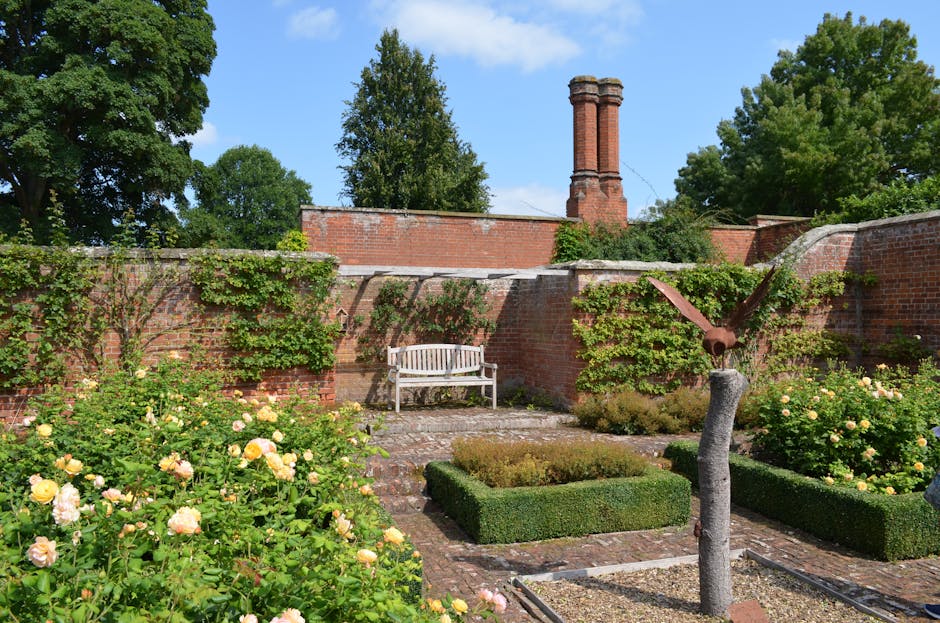
Rose Theatre Garden Restoration Case Study by Kingston Gardeners
If a garden has lost its shape, its colour, or simply its sense of purpose, the fix is rarely just "more plants." The Rose Theatre garden restoration case study by Kingston gardeners is a useful example of how a tired outdoor space can be brought back to life with the right mix of clearance, structure, planting, and ongoing care. In a public-facing setting like a theatre garden, the goal is never only to make it look neat. It has to feel welcoming, work hard through the seasons, and stand up to everyday use. That is where careful restoration really matters.
This article breaks down the thinking behind a successful restoration approach, the practical stages involved, the mistakes to avoid, and the kinds of decisions that make the biggest difference. You will also find a checklist, a comparison table, and a realistic example of how Kingston gardeners might approach a project like this in the real world. To be fair, gardens often look simpler from a distance than they are up close.
Why Rose Theatre garden restoration case study by Kingston gardeners Matters
Garden restoration is one of those jobs that sounds straightforward until you are standing in front of it with pruners in one hand and a long list of problems in the other. A theatre garden, especially one linked to a busy venue, has to do more than simply survive. It needs to support foot traffic, present a good first impression, provide seasonal interest, and stay manageable for the long term.
The Rose Theatre setting matters because public and semi-public spaces carry a different set of expectations from a private back garden. People notice edges, paths, planting density, weed pressure, and whether the whole space feels cared for. A garden like that can quickly start to look tired if the maintenance rhythm slips. Once the structure goes, everything else follows.
That is why a restoration case study is useful. It shows the difference between cosmetic tidying and genuine renewal. A proper reset may involve clearing self-seeded growth, improving the soil, repairing beds, reshaping hedges, refreshing borders, and planning for low-fuss maintenance. If you want an example of how a compact or awkwardly laid-out space can be made to work, you may also find creative solutions for small gardens relevant, because many restoration projects rely on making limited space feel calm rather than crowded.
There is also a wider point here. Garden restoration is not just about aesthetics. It supports access, safety, biodiversity, and long-term cost control. A poorly considered planting scheme can create more work every season. A well-thought-out one can reduce that pressure. That is the quiet win. The bit people often miss.
Expert summary: A strong restoration project should restore structure first, then planting, then rhythm. If you skip the order, the garden may look improved for a week and then begin slipping again.
How Rose Theatre garden restoration case study by Kingston gardeners Works
At its core, this kind of restoration follows a fairly clear logic: assess, clear, repair, replant, and maintain. The details vary from site to site, but the sequence rarely changes. That is because gardens, especially neglected or overworked ones, tend to have stacked problems. Weeds hide soil issues. Overgrown shrubs hide poor spacing. Hard surfaces collect grime that makes the whole place feel more neglected than it actually is. You know the feeling.
In practical terms, a restoration project usually begins with an on-site review. Kingston gardeners would look at light levels, drainage, plant health, invasive growth, hardscape condition, and the amount of ongoing care the site can realistically absorb. This is where judgement matters. The best restoration is not the one with the most plant varieties. It is the one that fits the space and the schedule.
For a theatre garden, the working plan often includes these elements:
- Removing dead, diseased, or badly placed growth
- Re-establishing clear edges and pathways
- Improving soil with compost or well-balanced organic matter
- Rebuilding beds so they read clearly from key viewpoints
- Choosing planting that gives reliable seasonal interest
- Setting up a maintenance routine that keeps the space presentable
The process can also overlap with broader site improvements. For example, if the garden includes tired paving or mossy surfaces, a coordinated approach with patio cleaning Kingston can make the planting work look far more effective. It is amazing how much a clean edge does for a border.
There is also a stronger design layer in restoration work. In some cases, the team may want to introduce texture through groundcover, use evergreen structure for winter presence, or add climbers to soften walls and fences. If that sounds familiar, it is because restoration often borrows from the same principles used in ground cover planting ideas and evergreen climbers for shade-bliss. Different site, same fundamental thinking: cover gaps, reduce maintenance, create rhythm.
One small but important detail: restoration should not be rushed simply to make a deadline. Gardens are living systems. If you prune, lift, re-space, or replant too aggressively in the wrong season, the results can stall. Patience is part of the service. A slightly annoying truth, but there it is.
Key Benefits and Practical Advantages
A successful garden restoration offers more than a cleaner appearance. It changes how people use the space and how much work it demands in the future. For a public venue, that can be a big deal. For a homeowner, it can be the difference between enjoying the garden and avoiding it. Either way, the benefits are practical as well as visual.
- Improved first impressions: A restored garden reads as cared for, which matters immediately in public settings.
- Clearer circulation: Defined routes and edges make the space easier to move through.
- Better plant health: Thinning overcrowded beds and improving soil often reduces stress on plants.
- Lower maintenance burden: Smarter planting can reduce routine labour over time.
- Seasonal resilience: A balanced planting plan handles winter, heat, and wet weather more gracefully.
- Safer surfaces: Reduced overgrowth and cleaner paving help lower slip and trip risks.
There is also a psychological benefit that people underestimate. A restored garden changes how a place feels. Visitors slow down. Staff notice it. Neighbours notice it. Even a short pause in a well-kept outdoor space can make a venue feel more grounded and thoughtful. That may sound soft, but it is real.
If you are weighing up different ways to improve a site, low-maintenance strategies are often worth prioritising. The article on budget low-care garden options is helpful for understanding how a garden can look considered without becoming a burden. And if your site gets battered by weather, the guidance in defending gardens against harsh weather is a sensible companion read.
A restored garden also tends to make future maintenance more predictable. Once the structure is sound, the team can focus on pruning cycles, weed control, watering, feeding, and seasonal replacements rather than constant rescue work. That stability matters. Especially when the weather turns a bit grim, as it often does in the UK.
Who This Is For and When It Makes Sense
This kind of restoration makes sense for a few different types of readers. Some are looking after public gardens or commercial premises. Some are responsible for a private garden that has drifted out of control. Others are comparing ideas before booking a professional team. If that is you, the key question is not "Can the garden be improved?" It almost certainly can. The question is "What kind of restoration will actually hold up?"
The project is especially relevant if you are dealing with any of the following:
- Overgrown beds with lost structure
- Weeds taking over paths or borders
- Plants that are poorly suited to shade, wind, or heavy use
- Messy transitions between hard landscaping and planting
- Tired hedges, climbing plants, or boundary planting
- A need for a more polished, visitor-friendly appearance
It also makes sense if you are planning ahead for regular care. A good restoration should not end with the final planting. It should feed into a practical maintenance plan. That is where services such as garden maintenance Kingston and lawn care Kingston can support the long game, especially where the space includes grass, beds, and mixed-use borders.
Restoration may not be the right first step if the problem is actually structural. For example, if roots are lifting surfaces, fencing is failing, or larger trees are dominating the site, the work may need broader landscaping or tree intervention first. That is where site judgement comes in. There is no point pretending a planting refresh will solve everything. Sometimes it won't. Honest answer, but useful.
Step-by-Step Guidance
If you are trying to understand how a Kingston gardening team might tackle a project like this, the following sequence is a sensible model. It is not the only approach, but it is a reliable one.
- Inspect the site properly. Start with soil condition, shade, drainage, access, existing plants, and the amount of hard landscaping that needs attention. Look from the viewpoint of a visitor too. What do they see first?
- Clear problem growth. Remove dead material, invasive weeds, self-seeded clutter, and overgrown sections that are stealing light or space. If ivy is smothering walls or fences, careful removal can be a game changer. See also this strategic approach to ivy liberation.
- Reset the structure. Recut edges, re-establish bed shapes, and define routes. For some gardens, hedge reshaping becomes part of the visual reset, which makes hedge trimming techniques a relevant reference point.
- Improve the soil. Add organic matter where appropriate, break up compaction, and level out patches that hold water or dry too fast. Compost is often the quiet hero here.
- Choose planting by function. Mix structural plants, seasonal colour, and groundcover. Don't just buy things because they look nice in the nursery. Romantic, yes. Practical, not always.
- Install or repair supporting features. This may include edging, trellis, screening, seating zones, or fencing improvements. A garden is often made by the spaces between the plants. If boundaries need attention, fencing Kingston upon Thames can be part of the conversation.
- Finish with a maintenance rhythm. Agree pruning cycles, weed checks, watering expectations, and seasonal refresh points so the garden does not slide back.
If the project includes a lawn, that needs to be addressed at the same time as the border work. Otherwise the contrast can feel odd: fresh planting on one side, rough grass on the other. A coordinated approach with lawn mowing Kingston or broader lawn care Kingston helps the whole composition feel intentional.
Truth be told, the best restorations are rarely dramatic in a single day. They are usually the result of careful sequencing. Clear the right things. Keep the right things. Then build the next layer. Simple, but not always easy.
Expert Tips for Better Results
Professional restoration work tends to succeed when the team keeps one eye on the present and one eye on the next season. A garden can look lovely in May and awkward by October if the plan is too fragile. These are the kinds of decisions that separate polished work from short-lived improvement.
- Prioritise structure before variety. A strong framework of hedging, evergreen anchors, or repeated shapes makes the garden easier to read.
- Use repetition sparingly. Repeating a few plants in strategic places looks calmer than scattering lots of different species everywhere.
- Think in layers. Tall, medium, and low planting should work together rather than compete.
- Match plants to the site. Shade, wind, and waterlogging are not problems you can wish away.
- Leave room for growth. New planting often looks sparse at first. That is normal. Overcrowding is a common panic response.
- Plan for maintenance access. If you cannot reach it, it will become a problem later.
One of the smartest moves in a restoration project is to keep the design low-care where possible. The article on why container gardening is gaining popularity shows how flexible planting can solve awkward corners, entrances, and feature spots without overcommitting the whole site. Container planting can be especially handy where roots, paving, or access restrictions make traditional beds awkward.
Another useful habit is to let the site itself guide the palette. A theatre garden does not need to shout. Sometimes a restrained mix of texture, evergreen structure, and one or two seasonal colour bursts is more effective than a busy display. That softer approach can also make maintenance easier, which staff and clients usually appreciate once the novelty of a big planting scheme has worn off.
And yes, a decent set of tools matters. If pruning, edging, and clearance are part of the job, the right kit saves time and reduces damage. For a broader look at what gardeners actually rely on, essential enthusiast tools gives a useful sense of the basics. Nothing glamorous. Just properly sharp, properly chosen tools. The boring stuff that works.

Common Mistakes to Avoid
Garden restorations often go wrong in predictable ways. The good news is that most of these mistakes are avoidable once you know what to watch for.
- Trying to do everything at once. Over-clearing can leave a space bare, stressed, and more vulnerable than before.
- Ignoring soil condition. Pretty planting in poor soil usually disappoints.
- Choosing plants only for appearance. A beautiful plant in the wrong place is just expensive trouble.
- Overlooking winter performance. A garden needs to look presentable when the colour drains out, not only during peak season.
- Forgetting access and maintenance. If a border is too dense to manage, it will age badly.
- Leaving hard landscaping dirty or neglected. Planting and paving need to work together.
Another common mistake is creating a design that needs constant specialist attention when the site budget or schedule is limited. That is where practical low-maintenance thinking becomes valuable. The same goes for weed pressure. If you do not build control into the routine from the start, weeds will make themselves at home. Rudely, and with confidence.
If you want a quick framework for avoiding the biggest maintenance mistakes, the article on weed control tips for a pristine garden is a good supporting read. It is the sort of thing that sounds basic until you realise how quickly the whole space changes once weeds are under control.
Tools, Resources and Recommendations
Good restoration work depends on judgement, but the right tools make a huge difference. For most projects, the toolkit should cover clearance, shaping, soil improvement, and finishing. Nothing fancy required, just sensible kit used well.
- Hand pruners and loppers for selective cutting
- Hedge trimmers for shaping repeated lines
- Spades, forks, and trowels for border repair
- Wheelbarrow or trugs for clearing and compost movement
- Forks and rakes for surface levelling
- Watering cans or hoses for establishment care
- Compost or soil improver for structure and feeding
For a site that combines planting with seating or visitor use, it can help to think beyond the beds themselves. A restoration often lands better when the garden also has a place for people to stop and take it in. The ideas in stunning garden seating arrangements can help frame that thinking. After all, a theatre garden should invite pause, not just passing through.
Where a space needs extra depth or a calmer atmosphere, it can also be useful to borrow ideas from themed planting styles. For instance, a tranquil garden approach can help when the goal is a more reflective, less cluttered feel. Similarly, if the site is being refreshed to support everyday life rather than one-off presentation, budget low-care options may be more appropriate than high-maintenance showpieces.
One practical recommendation: keep a record of what has been changed. Plant names, locations, pruning dates, soil additions, and seasonal issues. This is not glamorous, but it makes future maintenance far easier. A simple notebook works. A spreadsheet works too, if you are that person. No judgement.
Law, Compliance, Standards, or Best Practice
For a project like this, the main compliance concerns are usually safety, access, and responsible working practices rather than complicated legal detail. That said, public or visitor-facing spaces deserve careful handling. Contractors should think about pedestrian access, tool storage, safe working zones, and the tidy removal of waste. In a place where people are coming and going, that is not optional. It is basic professionalism.
Good practice in the UK also means taking a sensible approach to protected wildlife, nesting birds, and seasonal disruption. If pruning or clearance is planned, the timing should be checked carefully, and work should be adjusted if there is any sign that wildlife may be affected. Likewise, if there are large trees, unstable structures, or awkward access points, additional care is needed. The job might need to include tree work or landscape adjustments rather than brute-force clearance.
For clients, it is also reasonable to expect clear communication about safety, insurance, and the scope of work. That is one reason service pages such as insurance and safety, health and safety policy, and terms and conditions are worth reviewing when you are choosing a contractor. Not because paperwork is exciting. It isn't. But it tells you whether the team works professionally or just hopes for the best.
If access, maintenance routines, or visitor sensitivity are part of the site, it is also sensible to keep an eye on accessibility and how easily people can move through the space. A restored garden should feel welcoming, not like an obstacle course after a slight drizzle.
Options, Methods, or Comparison Table
Not every restoration needs the same level of intervention. Some spaces need a full reset. Others only need structure and renewal in the right places. Here is a simple comparison to help you think it through.
| Approach | Best for | Strengths | Trade-offs |
|---|---|---|---|
| Light tidy-up | Mostly healthy gardens with minor decline | Quick, affordable, minimal disruption | Won't solve structural or soil issues |
| Partial restoration | Spaces with overgrowth, tired planting, or weak layout | Balances cost, impact, and long-term improvement | Needs clear prioritisation to avoid half-finished results |
| Full restoration | Severely neglected or redesigned spaces | Best for total reset and long-term change | More time, more cost, more planning |
In many real-world cases, a partial restoration is the sweet spot. It lets a team keep what works, remove what doesn't, and rebuild the site in a way that feels intentional rather than overdone. For public venues, that can be a very sensible middle path.
Here is a second practical comparison, this time focused on planting style:
| Planting style | Visual effect | Maintenance level | Typical use |
|---|---|---|---|
| Evergreen structure | Steady, formal, year-round presence | Moderate | Boundaries, anchors, screening |
| Mixed seasonal planting | More colour and variety | Moderate to higher | Feature borders, visitor-facing areas |
| Groundcover-led design | Unified, soft, low clutter | Lower once established | Large beds, awkward corners, weed suppression |
If a garden is windy or exposed, the best planting can change quite a lot. The practical advice in tackling windy conditions in the garden is worth considering before you finalise any scheme. Wind changes everything. It really does.
Case Study or Real-World Example
Let's look at a realistic example of how Kingston gardeners might approach a theatre-adjacent garden restoration. This is not presented as a fixed historical record, but as a practical model of the kind of work the site could require.
A small, visible garden area near a theatre entrance had become visually fragmented. Borders were uneven, some planting had outgrown its space, weeds were interrupting the paths, and the overall effect was more "forgotten corner" than welcome-to-the-venue. There was no single disaster. That is often how it starts. Just a series of little slips that add up.
The first move was clearance. Dead stems, broken growth, and self-seeded clutter came out first. Then the team reset the border edges so the lines of the garden made sense again. This is one of those changes that sounds minor but changes the whole reading of a space. Suddenly the eye has somewhere to go.
After that came soil work. Compacted areas were loosened, organic matter was added, and the planting plan was adjusted so the garden would support repeated seasonal interest without becoming high-maintenance. A few stronger evergreen anchors were kept, while tired or awkward plants were replaced with more suitable choices. In a setting like this, people often expect flashy colour, but structure is what makes colour work.
Because the area sat near a public route, the final plan included practical touches: clear circulation, easier access for maintenance, and planting that would not quickly spill into walkways. A few subtler additions softened hard edges and made the space feel calmer from the doorway. If you have ever walked past a garden and thought, "Ah, someone really cares for this place," that is the effect restoration is aiming for.
For the longer-term rhythm, the team would likely combine seasonal pruning with regular checks for weeds and a light refresh of planting where needed. The job would not end at the reveal. It would become part of the venue's ongoing care cycle, which is where the real value sits.
If the garden also needed a broader makeover beyond planting, then landscaping Kingston would be the natural next step, especially where surface levels, layout, or boundaries need more substantial work.
Practical Checklist
Use this checklist if you are planning a restoration project of your own, or if you want to judge whether a contractor's proposal sounds properly thought through.
- Has the garden been assessed for light, drainage, access, and wear?
- Are problem plants, dead material, and invasive growth clearly identified?
- Is the structural layout readable from the main viewpoint?
- Has the soil been checked and improved where needed?
- Do the selected plants suit the actual conditions, not just the brochure image?
- Is there a maintenance plan for pruning, weeds, watering, and seasonal change?
- Have hard surfaces, edges, and boundaries been considered alongside the planting?
- Is the work phased sensibly rather than rushed into one chaotic burst?
- Are safety, access, waste removal, and insurance discussed properly?
- Will the garden still look good in winter, not just in peak season?
One small but useful habit is to walk the space from the entrance, then from the furthest corner, and finally from any seating or viewing point. You will notice different problems each time. It sounds almost too simple, but it catches things fast.
Conclusion
The Rose Theatre garden restoration case study by Kingston gardeners is a strong reminder that good garden work is rarely about a dramatic single gesture. It is about restoring order, making careful choices, and building something that can keep going after the first tidy-up is done. For public-facing gardens especially, the challenge is to create a space that feels attractive, calm, safe, and realistic to maintain. That balance is where the skill lives.
If you are planning a restoration of your own, start by being honest about the site's real conditions and the level of care it can sustain. Then choose structure, planting, and maintenance in that order. That sequence saves money, reduces frustration, and gives the garden a much better chance of lasting well. And honestly, that is what most people want in the end: a garden that feels easy to care for, not a beautiful burden.
Get a free quote today and see how much you can save.
Sometimes the best garden changes are the quiet ones - the ones you notice first with relief, and then with pride.

Will, an accomplished horticulturist, offers unparalleled support to numerous clients in fulfilling their gardening requirements. His adeptness also encompasses writing, where he delves into an array of subjects concerning gardening and landscape design.