Canbury Gardens gardeners local planting and soil tips
Posted on 10/10/2026
If you garden in Canbury Gardens, you already know the charm of the place: leafy streets, compact plots, patches of shade, and soil that can behave beautifully one week and awkwardly the next. That is exactly why Canbury Gardens gardeners local planting and soil tips matter. The right planting choices and a sensible soil strategy can make the difference between a border that struggles and one that settles in, grows steadily, and looks good for longer.
In this guide, we will look at what works locally, what to avoid, and how to build healthier beds without overcomplicating the job. You will find practical advice for borders, lawns, containers, hedges, and tricky spots near walls or fences. Nothing fussy. Just grounded advice from a real-world gardening perspective, the sort that saves time and spares you a few headaches later.
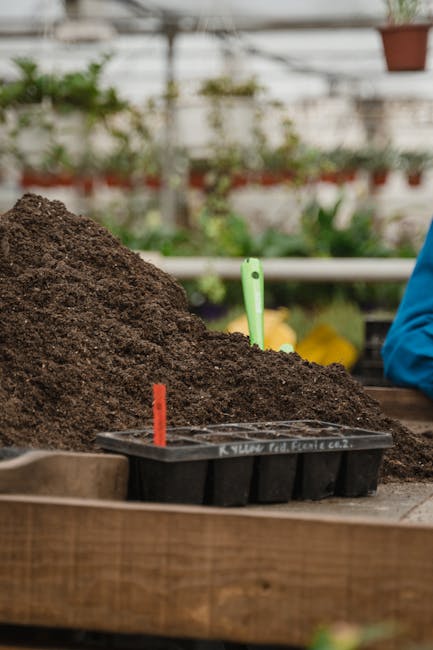
Why Canbury Gardens gardeners local planting and soil tips Matters
Local planting advice matters because gardens are not generic. A sunny back garden in Kingston can have very different conditions from a shaded side return in Canbury Gardens, even if they are only a short walk apart. Soil texture, drainage, root competition from nearby trees, wind exposure, and the amount of reflected heat from brick walls all shape what will thrive.
In practice, that means one-size-fits-all planting lists often disappoint. A plant that looks wonderful in a glossy magazine may sulk in heavy soil, scorch against a south-facing fence, or struggle where the ground stays damp after rain. To be fair, that is one of the most common reasons people feel they are "bad at gardening." Often they are not. The plant is just in the wrong place or the soil has not been prepared well enough.
Canbury Gardens also has the kind of urban garden conditions where soil can be patchy. Some plots have been improved over years with compost and mulch. Others have compacted soil, builder's rubble, or a thin top layer over something much less friendly underneath. So local knowledge is worth its weight in gold here. It helps you choose plants that can settle in rather than merely survive.
If your garden has become tired, uneven, or a bit overrun, useful starting points include the first steps to rejuvenating an abandoned garden and the practical thinking behind creative solutions for small gardens. Both are especially relevant where space is tight and every square metre needs to earn its keep.
How Canbury Gardens gardeners local planting and soil tips Works
The method is simple, though not always quick: understand the site, improve the soil in the right way, and match the plant to the conditions rather than forcing the conditions to suit the plant. That sounds obvious. In real gardens, it is often the bit that gets skipped because people want the end result fast. We all do, really.
Start with three observations:
- Light: how many hours of direct sun does the area receive?
- Moisture: does water drain away quickly or stay around after rain?
- Structure: is the soil loose and crumbly, or dense and compacted?
Then look at the microclimate. A courtyard in Canbury Gardens may trap heat in summer, while a narrow passage between buildings may stay cooler and more shaded. A front garden facing the road can also pick up more dust, wind, and roadside pollution than a sheltered back plot. None of this is dramatic. It is just gardening life.
Once you know the site, local planting becomes much easier. For example, borders with light shade and reasonably fertile soil often suit ferns, hellebores, hydrangeas, and evergreen structure plants. In brighter areas, you can bring in lavender, salvia, hardy geraniums, or ornamental grasses, provided drainage is decent. If soil is poor, container planting or raised beds can make a big difference, especially for herbs and more delicate ornamentals. For more on that approach, see why container gardening is gaining popularity.
Soil care works best as a cycle rather than a one-off fix. Improve it, plant into it, mulch it, observe how it behaves, then adjust. That may sound boring, but it is how resilient gardens are built.
Key Benefits and Practical Advantages
When you align planting choices with local soil conditions, the benefits show up quickly and continue over time. Not in a flashy way, but in the everyday details: fewer floppy plants, less watering panic in dry spells, and healthier growth after winter.
- Better establishment: roots settle faster in soil that has been loosened, fed, and matched to the plant's needs.
- Lower maintenance: good plant-soil matches usually mean less rescue work later.
- Improved seasonal resilience: well-structured soil copes better with winter wet and summer dry spells.
- Smarter spending: fewer replacements, fewer failed plants, and less wasted effort.
- Better visual rhythm: plants that are happy tend to grow with a more natural shape and richer colour.
There is also a quieter benefit: gardening becomes more enjoyable when you stop fighting the site. You begin to read the garden instead of arguing with it. That shift matters. Suddenly the whole thing feels less like a problem to solve and more like a living space you are tuning up.
If you want a lower-effort style of planting, the ideas in budget low-care garden options can help you design for long-term ease, especially in places where time is short and the soil needs a bit of support.
Who This Is For and When It Makes Sense
This kind of local gardening advice is useful for more people than you might think. It is not only for experienced gardeners with a neat shed full of kit. It helps if you are just starting out, managing a mature garden, or trying to get a better return from a small outdoor space.
- Homeowners who want plants that actually thrive rather than limp along.
- New gardeners who need clear, reassuring direction.
- Busy households that want reliable, lower-maintenance borders.
- Landlords and property managers trying to keep outside space tidy and attractive.
- People with problem soil such as clay, compacted ground, or thin topsoil.
- Anyone redesigning a border, patio edge, or shaded corner.
It also makes sense when you have a specific challenge, such as a windy plot, a dry strip beside paving, or a soggy area after rain. In those cases, local planting advice is not a luxury. It is the sensible route.
For instance, if your garden sits in an exposed pocket, it helps to think about wind-tough planting and shelter planting together. The advice in tackling windy conditions with confidence in your garden fits neatly alongside soil improvement, because a stressed plant in poor soil never quite catches up.
Step-by-Step Guidance
Here is a practical way to approach planting and soil care in Canbury Gardens without overthinking it.
1. Assess the site properly
Walk the garden at different times of day. Morning light, afternoon glare, and evening shade all tell you something. Look at where moss grows, where puddles sit, and which areas dry out fastest. Those clues matter more than guesswork.
2. Test the soil by feel
Scoop a handful of moist soil. If it feels sticky and clumps tightly, you may be dealing with heavier clay. If it falls apart quickly and feels gritty, it may drain fast but need more organic matter. Either way, the aim is balance: enough structure to hold nutrients, enough air for roots.
3. Clear weeds and old debris
Before planting, remove persistent weeds, roots, broken stems, and buried rubbish. This sounds basic, yet it is where many gardens go sideways. Weed pressure steals moisture and nutrients, especially in early spring. If you need help with tidy ground preparation, these weed control tips are a smart companion read.
4. Improve the soil with organic matter
Compost, well-rotted manure, leaf mould, and homemade organic matter all help. Work it into the top layer rather than burying it too deep. The aim is to create a crumbly, living soil that holds moisture without becoming waterlogged. If your kitchen and garden waste are being thrown away, you may be missing an easy win; converting waste into soil's superfood is a useful way to think about it.
5. Choose plants for the conditions, not the label photo
This is the big one. Shade-loving plants for shade. Moisture-tolerant plants for damp pockets. Sun-lovers only where the sun is truly strong enough. If you want structure, evergreen climbers and hedging plants can be extremely useful in local gardens, especially for privacy and year-round interest. A good place to start is evergreen climbers for shade and quick-growing hedges for natural borders.
6. Plant with space to grow
It is tempting to pack plants in for instant effect. We have all done it. But overcrowding leads to mildew, poor airflow, and awkward pruning later. Leave enough room for mature spread, not just the nursery pot size.
7. Water properly after planting
Deep watering is better than frequent surface splashing. The first few weeks are about helping roots travel downwards. Water slowly and thoroughly, then check the soil a little below the surface rather than trusting the top crust.
8. Mulch and monitor
Finish with mulch to reduce weeds and lock in moisture. Then watch what happens. A garden tells you things if you let it. Leaves that pale, wilt, or curl can reveal too much shade, poor drainage, or nutrient imbalance. The answer is usually adjustment, not panic.
Expert Tips for Better Results
These are the small, practical refinements that often make the biggest difference.
- Feed the soil, not just the plant. Healthy soil biology improves root strength and water retention.
- Use raised beds where ground conditions are stubborn. They are especially handy where the subsoil is compacted or rubble-filled.
- Mix textures in borders. Broad leaves, fine foliage, evergreen structure, and seasonal flowers create a more balanced look.
- Prune with purpose. Gentle shaping keeps air moving and avoids the "I just trimmed everything and now it looks confused" problem. See crafting beautiful shapes with hedge trimming for useful context.
- Use containers as diagnostic tools. If a plant does well in a pot but poorly in the ground, the issue is often the soil or drainage.
- Think seasonally. Spring planting, summer watering, autumn soil building, winter protection. That rhythm keeps things sane.
Expert summary: The best local gardening results in Canbury Gardens usually come from a simple formula: improve the soil, choose plants suited to the site, and keep an eye on drainage, light, and spacing. Fancy methods are fine, but this is the part that really moves the needle.
One more thing: if you have a tired lawn or patchy grass, do not keep feeding it the same way and hoping for a miracle. Soil compaction, shade, and drainage problems often sit underneath the symptom. That is where lawn care support in Kingston can be a useful next step, especially if the lawn is more moss than meadow.

Common Mistakes to Avoid
Most garden problems come from a small handful of avoidable habits. The good news? They are fixable.
- Planting without checking drainage. Wet feet kill many plants quietly over time.
- Adding grit to clay soil and expecting a miracle. Sometimes that helps, but it is not a cure-all. Organic matter is usually the better first move.
- Ignoring shade levels. A spot that looks bright for ten minutes can still be deeply shaded most of the day.
- Overfeeding. Too much fertiliser can encourage weak, sappy growth.
- Using the wrong hedge or climber for the space. Fast-growing plants can become a maintenance headache if there is nowhere for them to go.
- Forgetting winter protection. Tender plants can look fine in October and suddenly suffer in January. That seasonal surprise is a classic.
If your garden is particularly exposed, it is worth reading about strengthening your garden's defence against unforgiving weather patterns. It pairs well with local soil care because weather stress and soil stress tend to amplify each other.
And yes, if you are pruning hard just because the hedge looks slightly lopsided, pause for a minute. You may be about to create a second problem in the name of fixing the first. Happens more often than people admit.
Tools, Resources and Recommendations
You do not need a van full of equipment to garden well in Canbury Gardens. A handful of reliable tools and a sensible working method will go a long way.
- Border fork or digging fork: for loosening compacted soil without over-churning it.
- Hand trowel: ideal for potting, planting, and working between existing roots.
- Rake: useful for levelling, leaf clearance, and mulch preparation.
- Secateurs: for deadheading and light pruning.
- Wheelbarrow or trug: handy for compost, mulch, and debris.
- Soil improvers: compost, leaf mould, and other organic materials that enrich the ground over time.
For gardeners who prefer lower-effort planting schemes, there are also strong design options beyond traditional borders. Ground cover can reduce bare soil and suppress weeds, while vertical planting makes the most of narrow plots. You may find ground cover ideas for UK gardens and the rise of vertical gardens in modern living particularly helpful if space is limited.
For sheltered seating zones, paths, or a paved edge that needs refreshing, a clean hardscape matters too. A tidy patio and good planting often work best together, not separately. That is where patio cleaning in Kingston and thoughtful planting can complement each other nicely.
Law, Compliance, Standards, or Best Practice
For most planting work, there is no special legal hurdle just because you are gardening locally. Still, best practice matters, especially where trees, shared boundaries, protected structures, or neighbour impact are involved.
A few sensible points to keep in mind:
- Be careful with roots near boundaries. Large shrubs and trees can create future disputes if planted too close to fences, walls, or drains.
- Check before pruning anything that may not belong to you. Overhanging branches and shared hedges can be sensitive in practical and neighbourly terms.
- Use safe handling for tools and materials. Good gardening practice includes gloves, stable footing, and sensible lifting.
- Dispose of waste responsibly. Green waste, woody cuttings, and soil spoil all need proper handling.
- Take extra care around trees and established roots. If a tree looks significant or the work feels beyond simple maintenance, professional input is the safer route.
Where a garden project involves more than planting and soil improvement, it can be wise to involve a team that understands local conditions and sensible working standards. For broader support, gardening services in Kingston and insurance and safety information can help build trust before any work begins. If you want to know more about the business background, about us gives useful context.
Compliance does not need to sound formal or intimidating. It mostly means being careful, respectful, and realistic. That is good gardening anyway.
Options, Methods, or Comparison Table
Different spaces call for different approaches. Here is a simple comparison to help you choose the right route for your garden.
| Method | Best for | Strengths | Watch-outs |
|---|---|---|---|
| Direct border planting | Reasonably workable soil and open beds | Natural look, good long-term structure, lower visual clutter | Needs decent soil prep and regular watering early on |
| Raised beds | Poor, compacted, or rubble-heavy ground | Better drainage, easier soil control, easier access | Higher upfront effort and materials |
| Container planting | Patios, courtyards, awkward corners, renters | Flexible, quick to change, good for herbs and seasonal display | Requires more frequent watering and feeding |
| Ground cover planting | Slopes, bare soil, weed-prone areas | Helps suppress weeds and soften edges | Needs correct spacing and the right species choice |
| Hedges and climbers | Privacy screens, narrow sites, shaded fences | Creates structure, screening, and year-round presence | Needs pruning plans and the right support |
In many Canbury Gardens plots, the best answer is not one method but a mix. A courtyard might use containers near the door, climbers on the boundary, and a few hardy border plants where there is a pocket of soil. That layered approach often looks more thoughtful anyway.
Case Study or Real-World Example
Here is a realistic example based on the kind of garden issues we often see. A small back garden in Canbury Gardens had heavy, sticky soil, a shaded fence line, and a sunny patch near the patio. The owners wanted colour, privacy, and less weeding. Simple enough in theory, slightly trickier in practice.
The fix was staged rather than dramatic. First, the soil in the planting beds was loosened and enriched with compost. The wetter corner was reserved for shade-tolerant plants and not pushed to perform as a sunny border. Near the fence, evergreen climbers were used to add height without taking up much space. The patio edge got a few hardy container plants so the area looked alive without relying on perfect ground conditions.
Over the next season, the garden changed character. The plants began to settle. The bed edges held moisture better. Weeds were easier to manage. Not overnight, of course. Gardens rarely work that way, annoying as that can be. But the difference was clear: the space started to feel cared for rather than constantly corrected.
If that sounds familiar, local recovery work can be a smart route. A more neglected space may need an initial clear-out and reset first, which is where rejuvenating an abandoned garden becomes a useful reference point. For more substantial resets or redesigns, landscaping support in Kingston may be worth considering.
Practical Checklist
Use this quick checklist before planting or improving your soil.
- Check sun, shade, and wind exposure at different times of day.
- Test whether water drains freely or sits on the surface.
- Remove weeds, roots, stones, and old debris.
- Work in organic matter to improve soil structure.
- Choose plants that suit the actual conditions, not just the style you want.
- Leave space for mature growth and airflow.
- Mulch after planting to help retain moisture.
- Water deeply and consistently during establishment.
- Protect vulnerable plants through winter if needed.
- Review the bed after a few weeks and adjust if necessary.
And if you are starting from scratch, do not try to do it all in one weekend unless you genuinely enjoy aching shoulders and muddy boots. A phased approach usually works better, and frankly, feels less punishing.
Conclusion
Good local gardening is not about chasing perfection. It is about reading your space properly and responding with the right planting and soil choices. In Canbury Gardens, that usually means paying attention to light, drainage, shelter, and the real character of the soil before you plant a single thing.
Once those basics are in place, the garden starts to reward you. Plants settle more easily. Maintenance becomes more predictable. The whole space feels calmer and more coherent. That is the real win. Not fancy. Just better.
If you want your garden to look healthier, feel easier to manage, and suit the local conditions properly, start with the soil, then match the planting to the site. Small changes add up. They really do.
Get a free quote today and see how much you can save.
Sometimes the best gardens are the ones that stop fighting the ground beneath them and begin working with it instead.
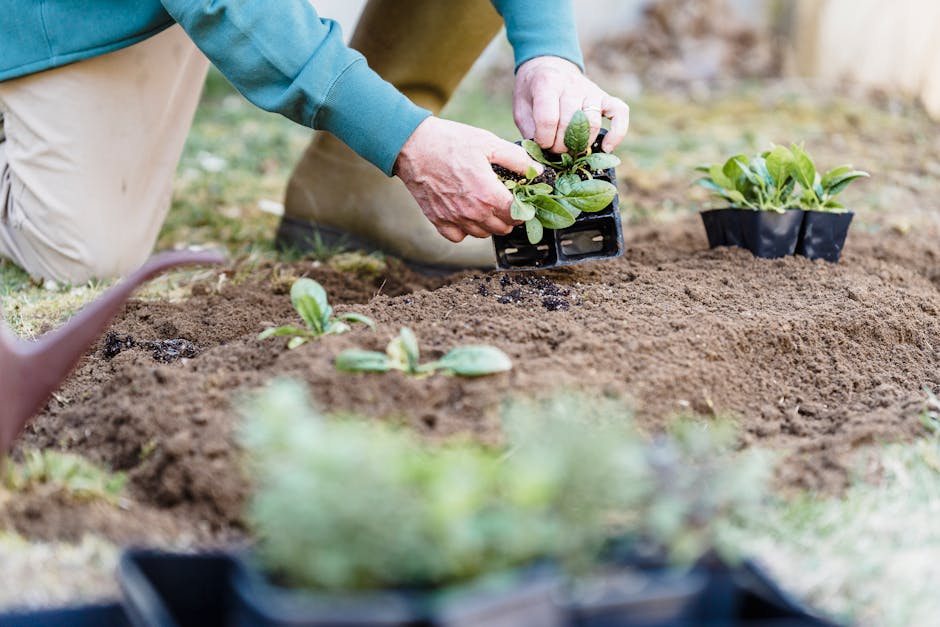

Will, an accomplished horticulturist, offers unparalleled support to numerous clients in fulfilling their gardening requirements. His adeptness also encompasses writing, where he delves into an array of subjects concerning gardening and landscape design.